Emergency Dentist in Australia: What Counts as a Dental Emergency and When to Seek Urgent Care
Knowing when to see an emergency dentist can make all the difference in Australia, where maintaining good dental care is important for keeping your teeth healthy. A dental emergency can happen at any time and cause significant pain or put your teeth and gums at risk of further damage. Recognising the signs of a real emergency, like a sudden toothache or an accident, can help you get dental care right away.
Many Australians put off seeking help because they think small problems will go away on their own. This can lead to problems such as gum disease or tooth loss. Knowing what makes a dental emergency is important for keeping your mouth healthy and avoiding emergencies that aren't necessary.
An emergency dentist is trained to treat urgent dental problems outside regular hours. They can help right away and stop problems from getting worse. Dental clinics in cities like Sydney or Melbourne often have emergency services, but in rural areas, you may have to travel to the nearest dentist. When you see symptoms like swelling, bleeding, or severe pain, it's important to act quickly because these could mean a serious injury or infection. You can better decide when to see an emergency dentist and keep your teeth by learning about common dental emergencies.
Defining a Dental Emergency
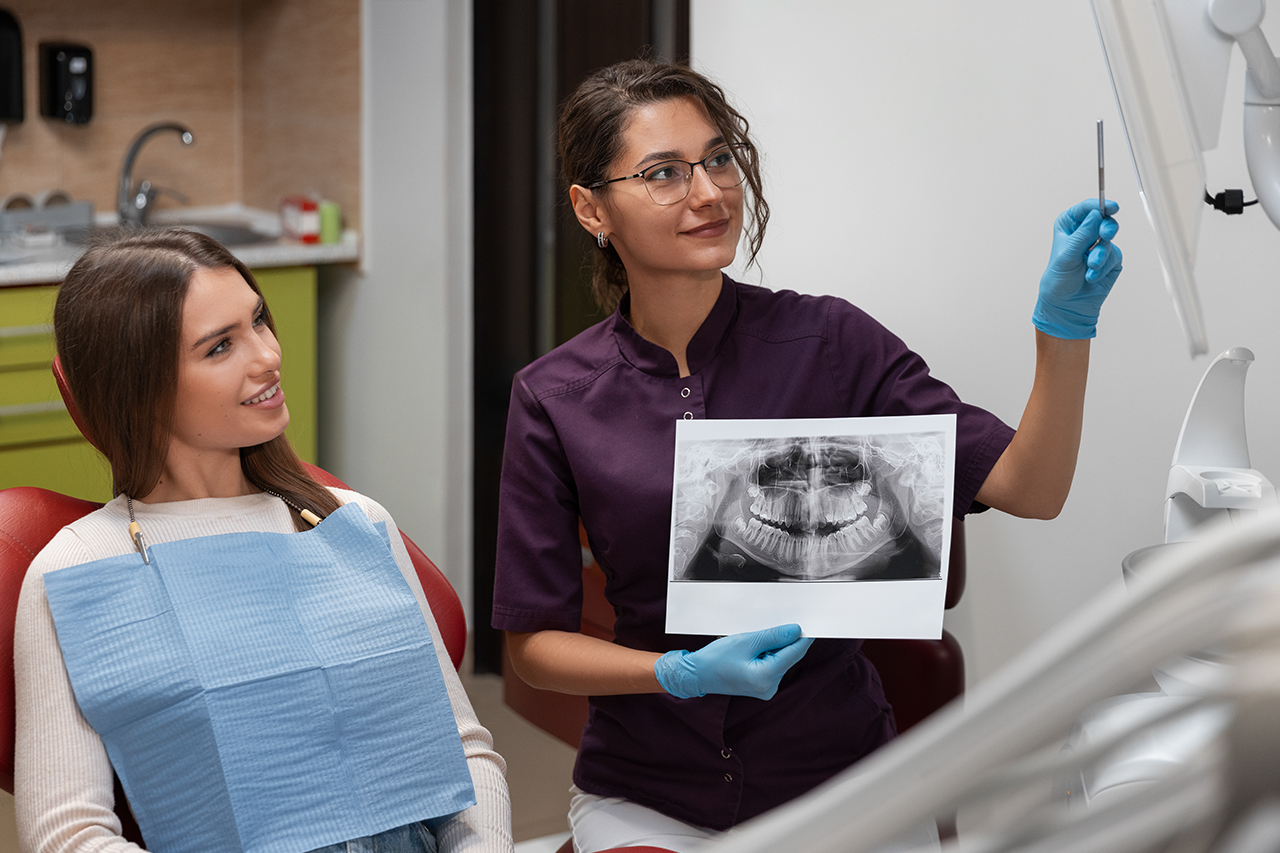
A dental emergency is any situation in which you need immediate dental care to stop bleeding, ease pain, or save a tooth from permanent damage. These situations need immediate care from an emergency dentist, unlike regular dental check-ups or crowns. For example, if you have a severe toothache that keeps you from sleeping or doing your daily tasks, it could be an emergency. Accidents, infections, or problems with existing dental work, like dental bridges, can all lead to dental emergencies.
According to Australian dental guidelines, the severity of a dental emergency is based on how much it could hurt your teeth. If you have uncontrolled bleeding after an injury or sudden swelling around your jaw, you need to go to the emergency room right away. If you don't pay attention to these, things will get worse, and you'll need more complicated dental work in the future.
Dentists stress that not all tooth problems are emergencies. For example, a mild toothache might be able to wait for a regular appointment, but if the pain is constant or there is visible trauma, you need to see an emergency dentist. This difference helps Australians make good use of dental services, making sure that emergency slots are open for people who really need them.
Common Dental Emergencies
There are many situations in which an emergency dentist in Australia is needed. One common problem is severe toothaches, which are often caused by deep decay or infection getting to the tooth's pulp. This pain can be so bad that it makes it hard to move, and it can spread to the jaw or head. It may also be accompanied by swelling or a fever. Another common dental emergency is losing teeth due to trauma, like sports injuries or falls. An emergency dentist might be able to reimplant the tooth if you take care of it right away.
If broken or chipped teeth hurt a lot or expose nerves, they are also emergencies. When wisdom teeth cause problems like impaction that lead to infection or gum disease, you need to see a dentist right away. If your gums keep bleeding, it could be because of an injury or advanced gum disease. You need to see a dentist right away to stop your oral health from getting worse. Abscesses, which are pockets of pus that cause swelling and pain, are also a top priority for emergency dentists because they can spread infection.
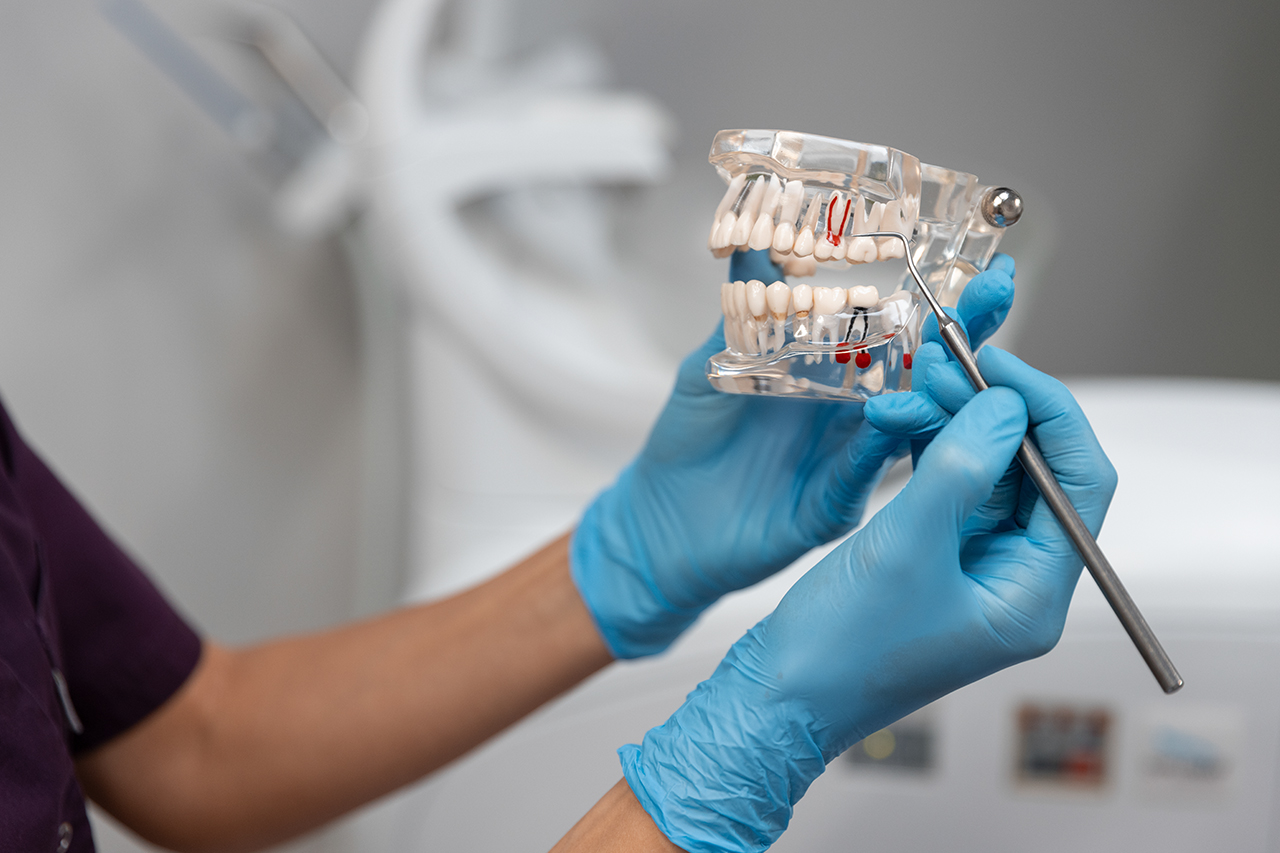
If you lose a dental crown or filling, it could become an emergency if it makes your teeth more likely to get hurt again. In the same way, dental work may be needed right away if dental bridges start to come loose to avoid problems. If Australians are having these problems, they should call their local dental clinic to find out if they need to go to the emergency room.
When to Seek Urgent Care from an Emergency Dentist
When to see an emergency dentist depends on how bad your symptoms are. It's time to get help if you have pain that over-the-counter drugs can't help with. If you have swelling around your mouth or face, especially if it makes it hard to breathe or swallow, you may have a dental emergency that needs to be treated right away. If bleeding doesn't stop after 10 minutes of putting pressure on it, that's another warning sign. It's usually caused by an injury or trauma.
If your child or adult has painful wisdom teeth coming in or an accident that has hurt their mouth, don't wait to see an emergency dentist. In cases of tooth loss, when a permanent tooth comes loose, there is usually only an hour to successfully reattach it. On the other hand, a small toothache or a little bleeding from brushing may not need emergency services, but you should keep an eye on it to see if it gets worse.
Australian health officials say you should call a dentist first to see how urgent it is. Many dental offices have a way for patients to get in touch with them after hours in case of a dental emergency. Keep in mind that putting off treatment for real emergencies can mean more invasive dental work later on.
What to Do While You Wait for an Emergency Dentist
In a dental emergency, the first things you do can affect the outcome. If you knock out a tooth, rinse it gently without scrubbing it. Then, either put it back in the socket or store it in milk until you can see an emergency dentist. Put a cold compress on the area to help with the pain from toothaches and take pain relievers as directed. If you're bleeding, don't take aspirin because it can make things worse.
If you have bleeding from an injury or trauma, put clean gauze on it and press down hard. If you have swelling, raise your head and use ice packs every so often. Avoid hot foods and drinks that could make your sensitive teeth feel worse. These steps help keep your mouth healthy until you can get professional dental care.
Finding an Emergency Dentist in Australia
It's easy to find an emergency dentist in most parts of Australia. There are a lot of dental clinics in cities that offer emergency care. You can often find them on the Australian Dental Association website. Hospitals with dental services can help in emergencies. If you live far away, telehealth options may let you get an initial evaluation before going to the dentist.
Make sure the emergency dentist you choose is registered and has experience with a wide range of dental emergencies, such as gum disease and wisdom teeth extractions. Costs for emergency services vary, but Medicare may cover some of them for people who qualify. Private health insurance, on the other hand, usually helps with dental costs.
Preventing Dental Emergencies Through Better Oral Health
The best way to avoid needing an emergency dentist is still to take care of your teeth. Regular visits to the dentist can find problems like early gum disease or weak dental crowns before they get worse. Brushing twice a day, flossing, and wearing mouthguards while playing sports are all important parts of keeping your mouth healthy.
Watch what you eat; too many sugary foods can cause decay and toothaches. If you have wisdom teeth, keeping an eye on them with your dentist can help you avoid emergencies. Simple habits lower the risk of dental emergencies, making it possible to get long-term dental care without having to go to the dentist frequently.
Prioritising Timely Dental Care
Recognising a dental emergency and getting to an emergency dentist right away will protect your teeth and overall oral health. Taking care of severe pain and swelling, bleeding, or tooth loss right away stops problems from getting worse. Australians have easy access to dental care, but it's important to know when to go to the emergency room.
You can lessen the effects of unexpected dental problems by staying up to date on common emergencies and ways to avoid them. To keep your smile healthy and pain-free, always talk to a professional dentist for personalised advice.