Dental Implants in Australia: Costs, Healing Timeline, and What Patients Should Expect in 2025
In modern dentistry, dental implants are a popular option for replacing missing teeth. They last longer than dentures or bridges. As we look ahead to 2025 in Australia, improvements in dental technology have made dental implants more readily available, but patients still need to consider costs and recovery times.
We will cover the most important things to know about dental implants, using up-to-date information to help you understand what to expect if you're considering them. Dental implants can help you regain the use of your smile and your confidence, whether you've lost one tooth or several.
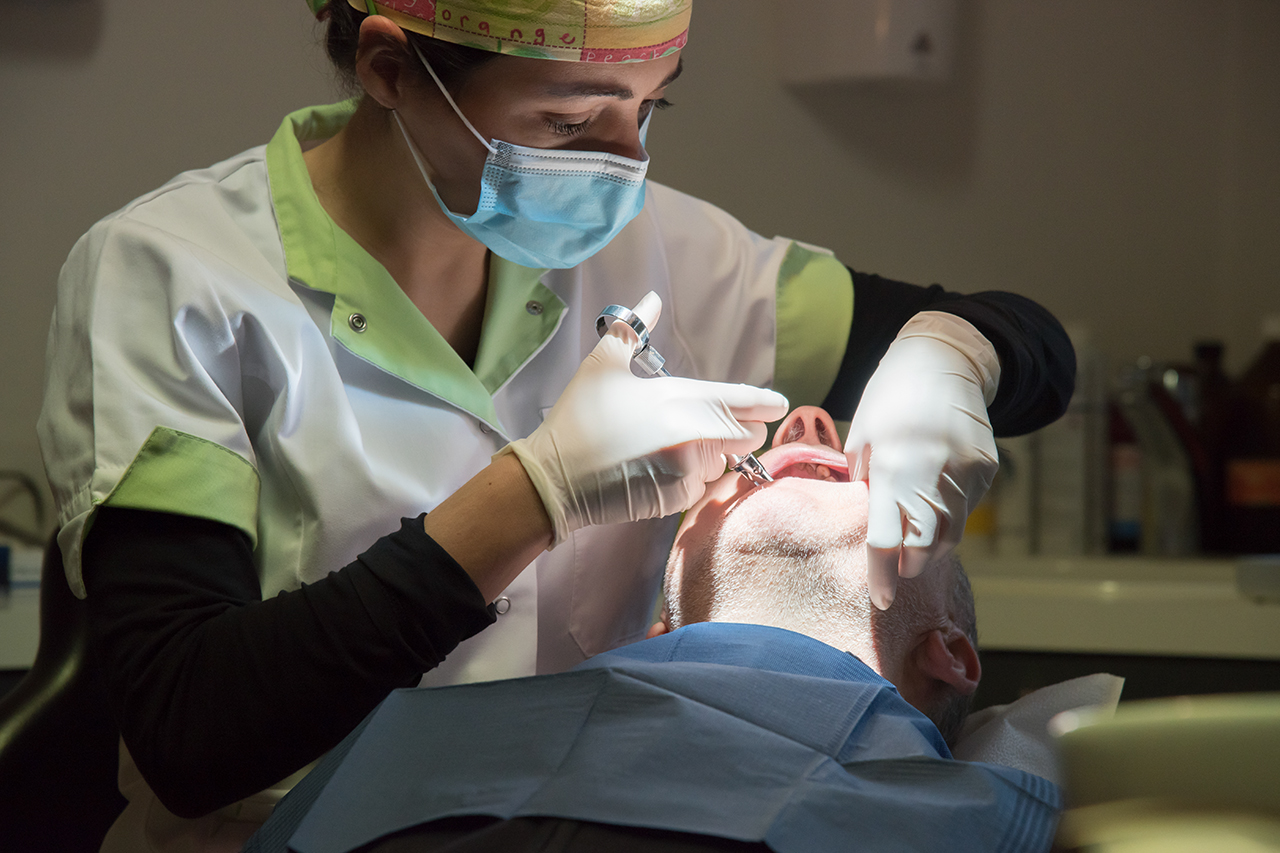
A dental implant is a titanium post placed in the jawbone to support a crown or bridge. It acts like an artificial root. Dental implants are more stable than traditional dentures because they fuse with the bone. This makes them feel more like real teeth. Dentists often recommend dental implants because they last a long time and look natural.
One dental implant can replace one tooth, but several implants can support a whole set of teeth implants. This method has changed the way dentists deal with tooth loss, and many patients prefer it to removable dentures.
The first step is to see your dentist for a consultation, during which they will check the density of your bones and the health of your mouth as a whole. Bone grafting can take longer, but for most people, dental implants are a reliable way to restore their full smile. Improvements in implant materials in 2025 have made them less likely to be rejected and easier to integrate.
Costs of Dental Implants in Australia
It's very important to know how much dental implants will cost when you plan for them. In Australia, the cost of a single dental implant in 2025 is usually between $3,000 and $7,500. This includes the implant, abutment, and crown. Prices vary depending on where you are. For example, major cities like Sydney or Melbourne often charge more because of overhead costs, with prices ranging from $5,000 to $7,500. In regional areas, prices might be between $4,500 and $6,000. Expect to pay between $25,000 and $60,000 per arch for full mouth dental implants. This is especially true for techniques like All-on-4, which uses four implants to support a full set of teeth.
More procedures can change the total. If you need bone grafting because your jawbone isn't strong enough, it can cost between $500 and $3,000 per site. Sinus lifts may also cost more. Extras policies in Australia may cover some of the surgery, but you will still have to pay a lot of money out of your own pocket. To make dental implants more affordable, some dentists offer payment plans. However, it's a good idea to get quotes from several dentists to make sure you're getting the best deal. Remember that cheaper options abroad might seem good, but Australian dental standards make sure that things go more safely.

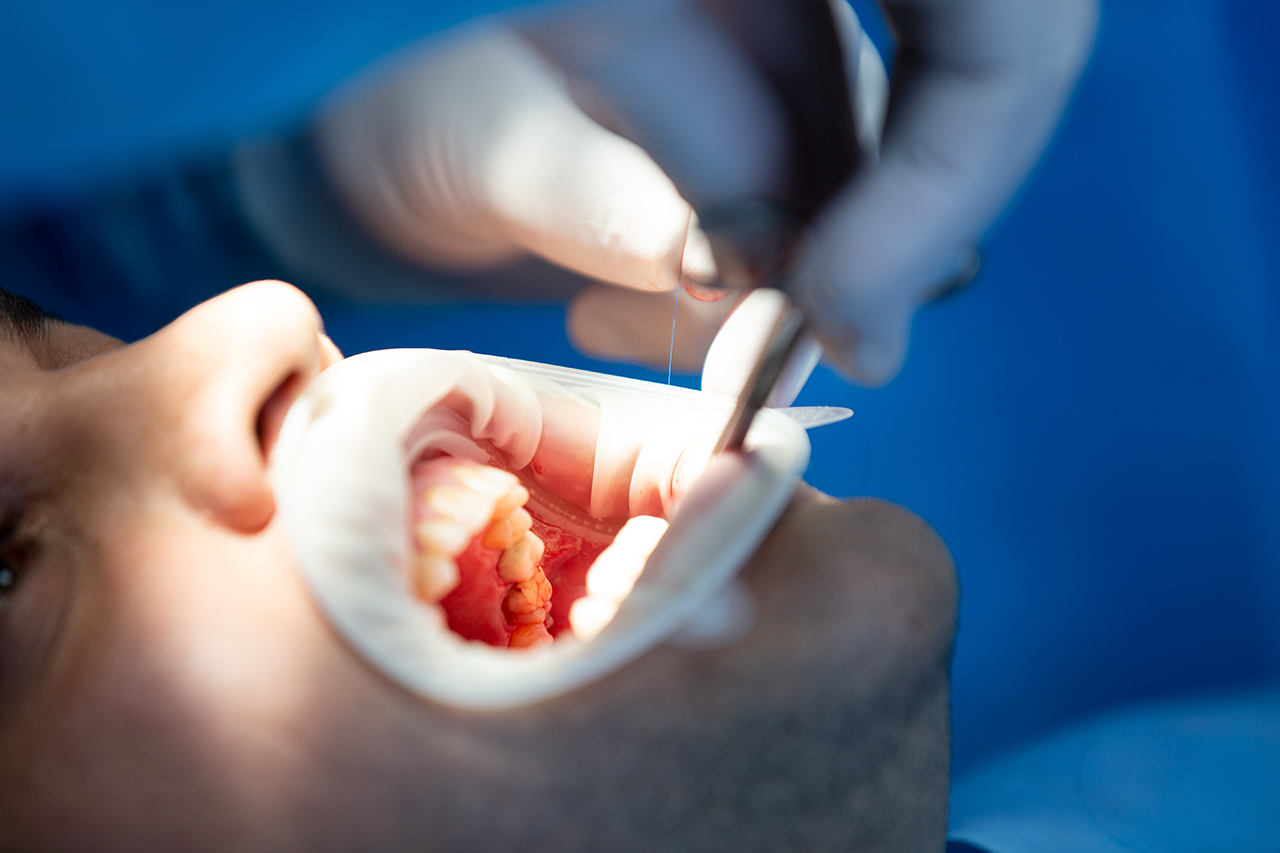
The Timeline for Healing After Getting Dental Implants
It takes time for dental implants to heal, so you need to be patient for the best results. Patients experience swelling and mild discomfort right after surgery, but these symptoms go away within the first 1–2 weeks as the soft tissues heal. Osseointegration, the most important part of the process, is when the implant fuses with the jawbone. This usually takes 3 to 6 months. The bone grows around the titanium post during this time, making it very strong.
Things like general health, smoking, or bone quality can make this timeline longer. For example, if bone grafting was done, it could take up to 8 months for the body to fully accept it. Many patients say they recover faster in 2025 thanks to better surgical techniques, but dentists advise avoiding hard foods at first to protect the implant site. Regular checkups keep an eye on your progress and make sure that the dental implant heals without any problems. After they heal, the abutment and crown are put on, finishing the restoration of your teeth.
What Patients Should Expect During the Procedure
Getting dental implants is a process that starts with a full evaluation. Your dentist will use X-rays and 3D scans to plan where to put the implant so that it fits perfectly with your jaw. On the day of the surgery, the gums are cut open with local anaesthesia to show the bone. Then, a small hole is drilled for the tooth implant. The procedure takes 1 to 2 hours per implant, and there is only minimal pain due to the numbing.
Patients may experience pressure without acute pain. After the implant is put in, the site is stitched up, and a temporary crown may be put on. In 2025, minimally invasive methods will shorten recovery time, but you should expect some bruising. Dentists give antibiotics and painkillers to help with the effects of surgery. If you need to replace more than one tooth, the process may take more than one appointment. But in the end, you'll have a smile that looks real and works like real teeth.
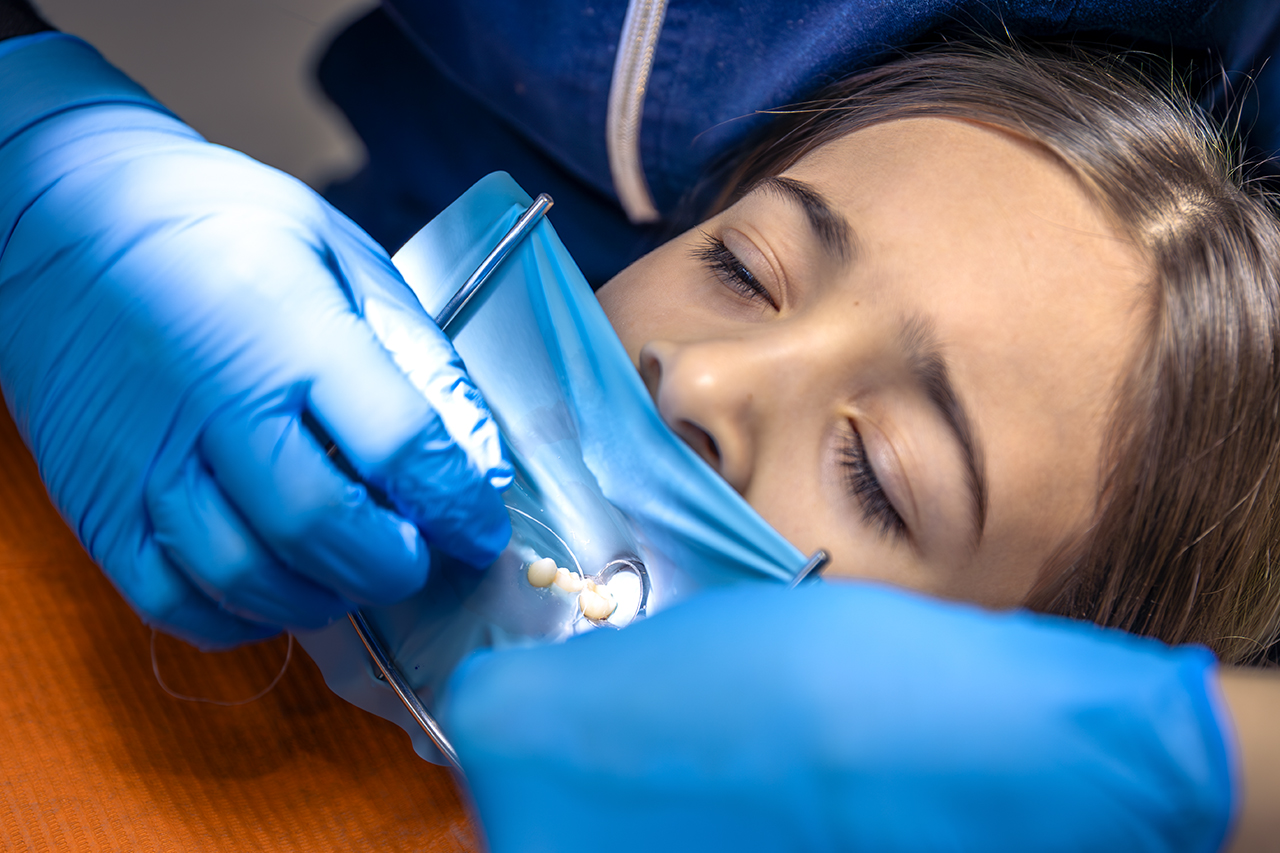
Tips for Recovery and Aftercare
Gentle care is important for healing after getting dental implants. For the first few days, eat only soft foods and don't do anything too hard. The swelling is worst on day three, but ice packs help it go down. It's very important to keep your mouth clean; gently brush around the area and use the rinses your doctor tells you to. Dentists say that quitting smoking is a good idea because it slows down healing and raises the risk of failure.
Patients slowly go back to eating normally over the course of several months as the implant becomes part of their body. Your dentist can check on your progress and make changes if necessary during follow-up visits. Dental implants need the same care as natural teeth over time, which includes brushing, flossing, and regular checkups. Implants can last for decades with the right care. They last longer than dentures and keep the jawbone healthy.
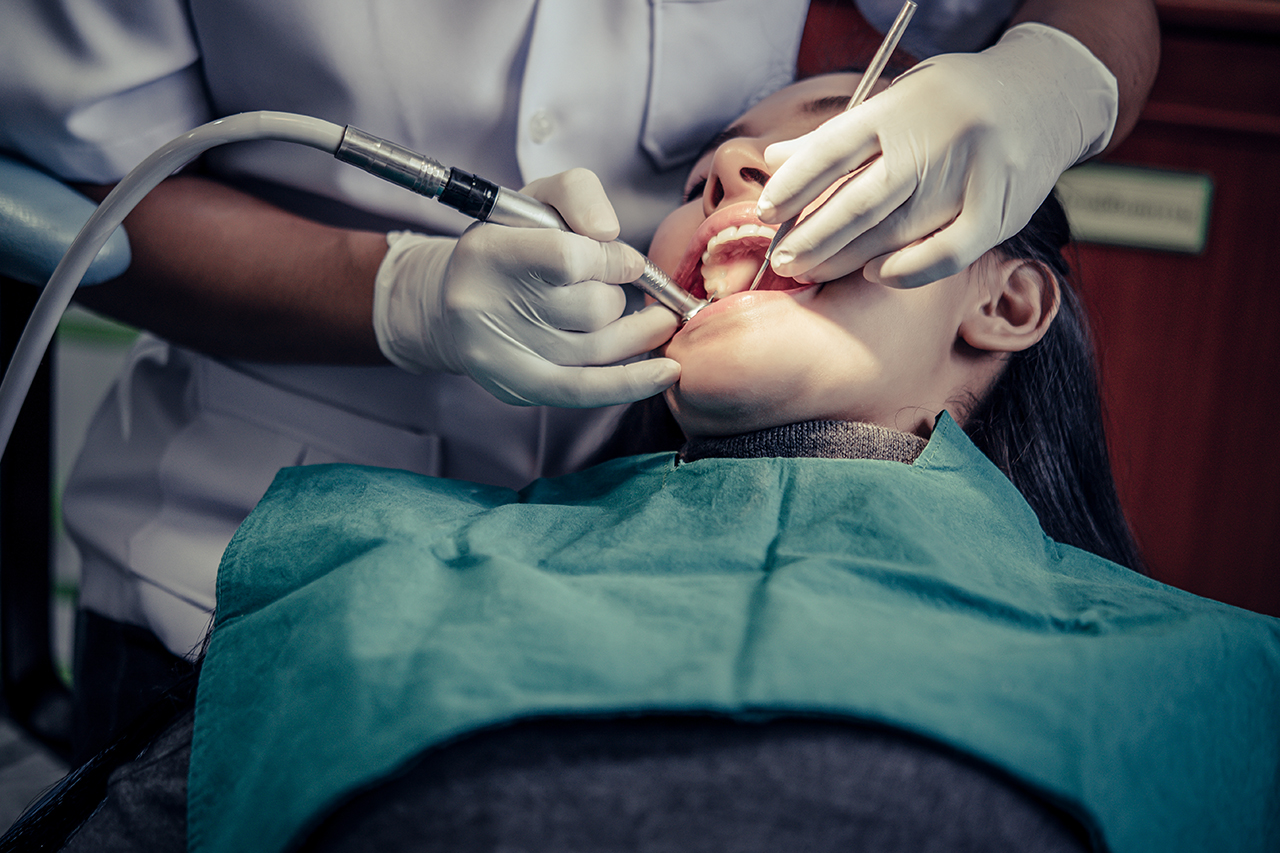
Benefits and Considerations for 2025
Dental implants have many benefits, such as making it easier to chew and stopping the loss of bone that happens when teeth are missing. They don't need adhesives like dentures do, and they feel like real tooth implants. In 2025, new technologies like digital planning make things more accurate and less likely to go wrong. But not everyone is a good fit. For example, people with diabetes or low bone density may need to be managed first.
When you weigh the costs against the benefits, dental implants are worth it because they last a long time. Patients often say that getting their smile back makes them feel better about themselves. Talking to experienced dentists will help you set realistic goals, which makes dental implants a good investment in your oral health.
To sum up, dental implants in Australia in 2025 are a combination of cutting-edge dentistry and proven results. However, it's important to know how much they will cost, how long it will take to heal, and how the procedure works. Patients can make lasting changes to their teeth and smile by getting ready the right way.