Invisalign vs. Traditional Braces: An Australian Dentist’s Guide to Choosing the Right Treatment for Your Smile
As an Australian dentist who has worked in orthodontics for many years, I often see patients who are having trouble choosing between traditional braces and Invisalign. Both choices can help you get straighter teeth and a more confident smile, but which one is best for you depends on your needs, lifestyle, and dental issues. Invisalign is a well-known type of clear aligners that can help straighten teeth without being obvious.
Traditional braces, on the other hand, are strong solutions for a wide range of orthodontic problems. This guide looks at the main differences to help you make an informed choice, based on what people have said about their experiences in Australian dental offices.
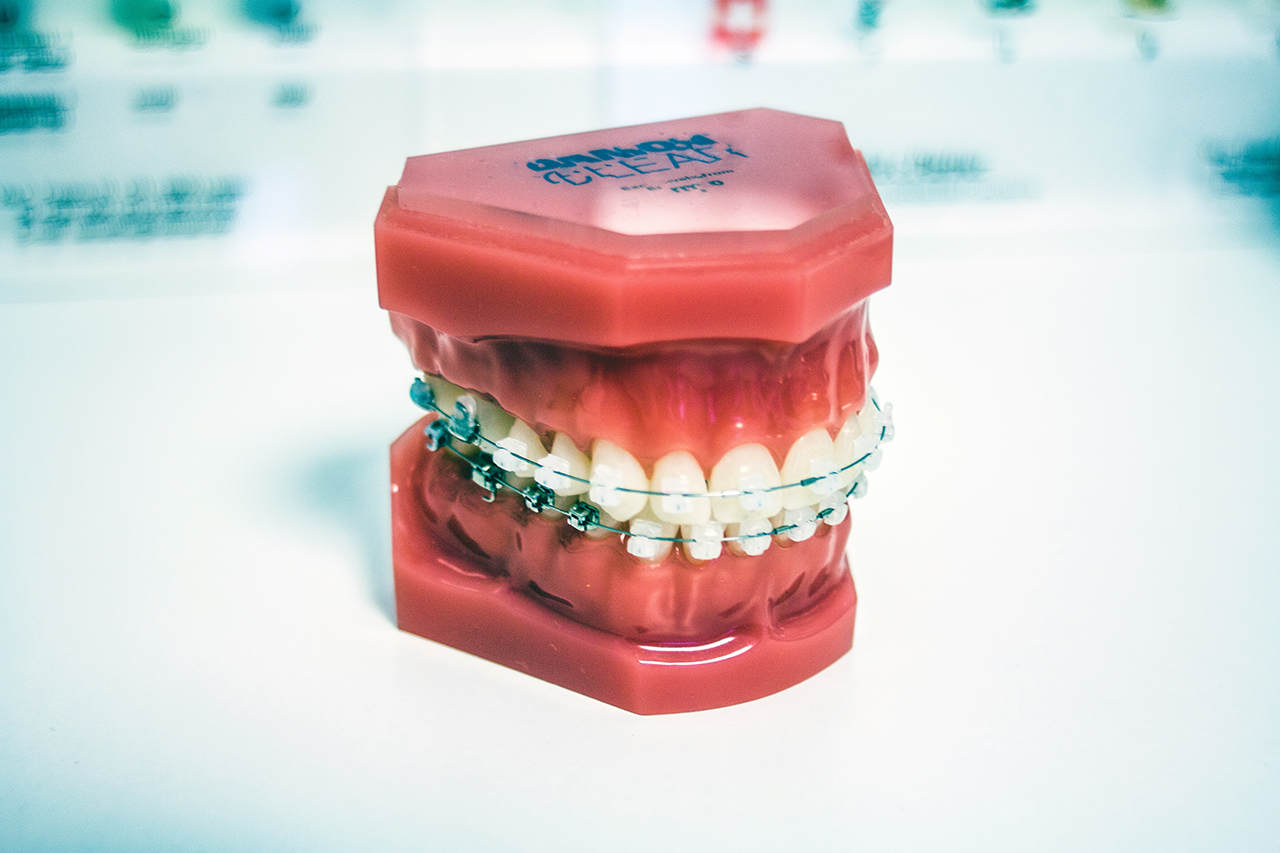
Understanding Invisalign: The Clear Alternative
Invisalign is a new way to straighten teeth that uses a series of custom-made clear aligners to slowly move teeth into the right position. These aligners are made of clear plastic, so when you wear them, they are almost invisible. Patients get a set of Invisalign aligners and change them every one to two weeks, as their invisalign dentist tells them to. This system is especially appealing to adults who want to get invisalign treatment without the metal hardware's aesthetic problems. In my experience, Invisalign works well for mild to moderate misalignment, such as crowding or spacing problems, and, over time, it helps teeth get straighter.
The first step is a detailed dental scan, which helps plan the invisalign treatments exactly. Invisalign aligners can be removed for eating and cleaning, making daily activities more comfortable. This is different from fixed appliances. But to be successful, you have to wear the aligners for at least 20 to 22 hours a day, which is a commitment that works for people who are disciplined in the field of dentistry.
Traditional Braces: The Tried-and-True Option
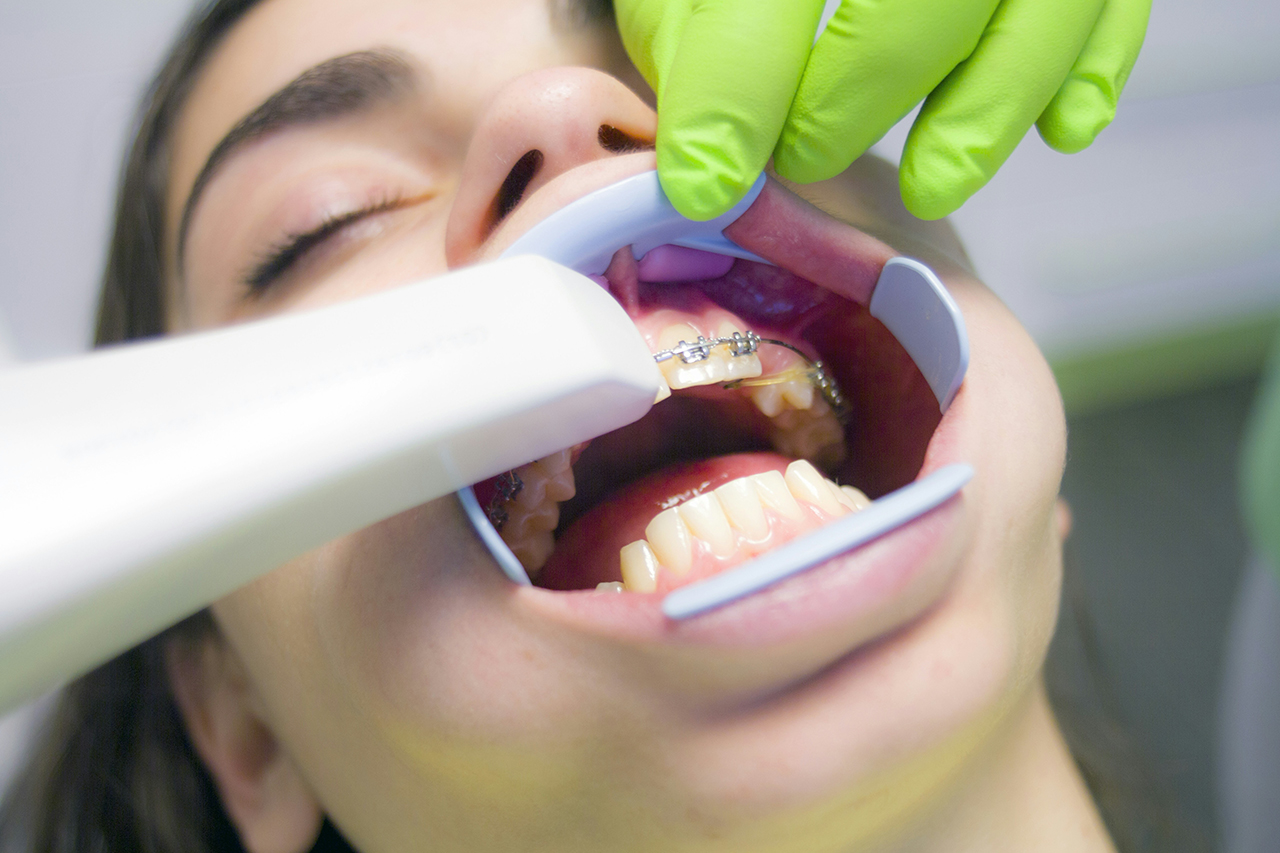
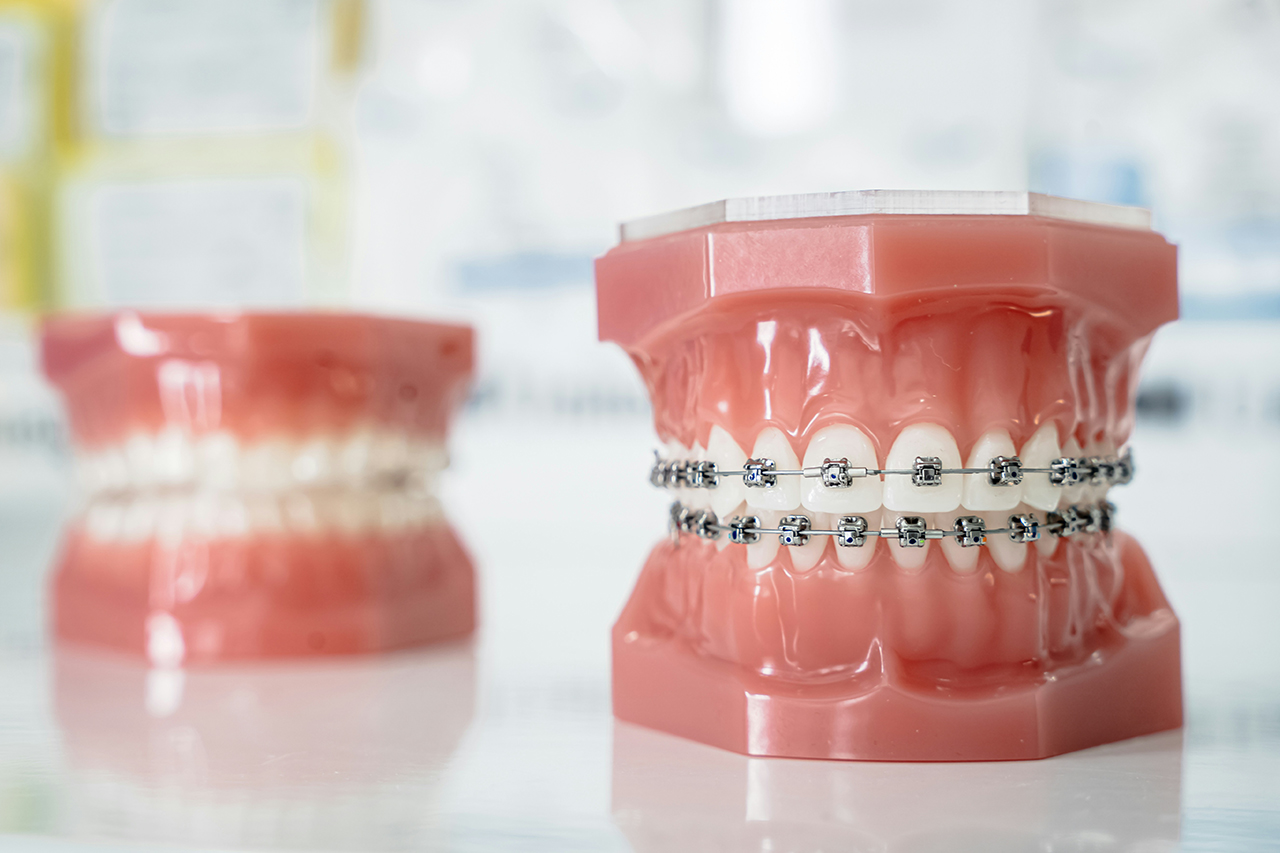
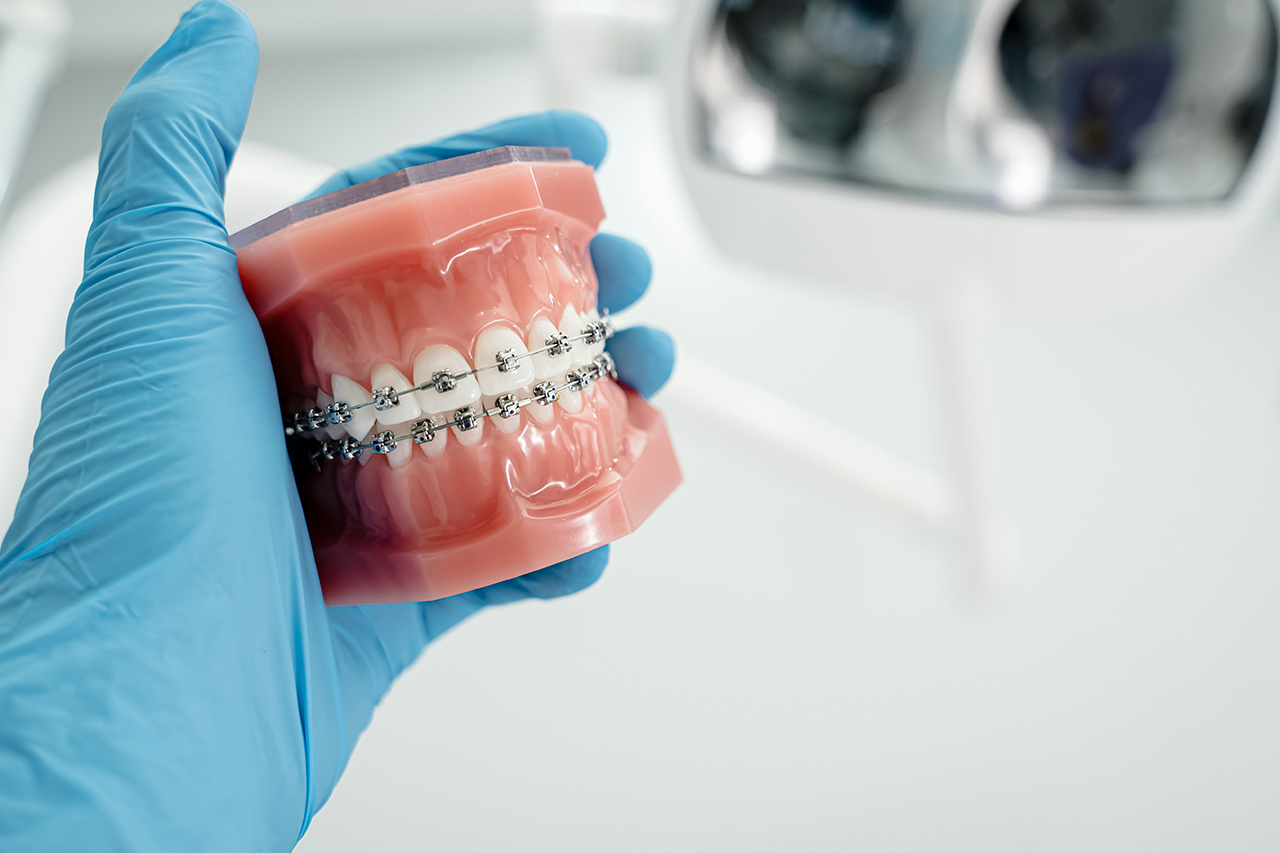
For decades, metal brackets bonded to the teeth and connected by wires that apply constant pressure to straighten the teeth have been a key part of orthodontics. Australian dentists often suggest these for more difficult cases, like severe bite problems or rotations that need precise control. As a dentist, I know that braces can help with a lot of different orthodontic problems, like overbites and crossbites. They can also straighten your teeth and improve how your mouth works.
Every four to eight weeks, the dentist adjusts the wires to help with movement. Metal braces are the most common type, but ceramic braces are a better match for teeth, even though they cost more. This method makes sure that progress is steady without having to rely on patients following instructions. This makes it a good choice for younger patients or those with busy lives.
Comparing Effectiveness and Treatment Time
When comparing Invisalign to regular braces, how well they work depends on how bad the dental problems are. Invisalign is a very effective way to fix simple problems, and it usually works in 12 to 18 months. But traditional braces work best in complicated situations, which could cut the time it takes to fix severe misalignments down to 18 to 24 months. As an Australian dentist, I've seen that both can give you straight teeth, but braces are better at producing more predictable movements in difficult orthodontic cases.
The length of treatment depends on factors such as age and how well the patient follows directions. Invisalign aligners let you go to the invisalign dentist less often, which is great for busy Australians. On the other hand, braces need to be adjusted regularly to keep making progress in straightening teeth.
Aesthetics and Comfort: Daily Life Considerations
One of the best things about Invisalign is how good it looks. The clear aligners are almost invisible, so your smile stays the same when you're around other people. This makes Invisalign a popular choice in professional settings where looks are important. Invisalign treatments don't have the irritation that comes with brackets and wires, which means fewer mouth sores than with traditional braces.
On the other hand, traditional braces are more obvious, but modern designs have made this less of a problem. Dental wax can help with the initial pain from braces, and patients get used to them over time. Invisalign clear aligners are great for people who want a smooth lifestyle because they can be taken off for a short time. This is different from fixed braces, which stay in place during orthodontic treatment.
Maintenance and Oral Hygiene
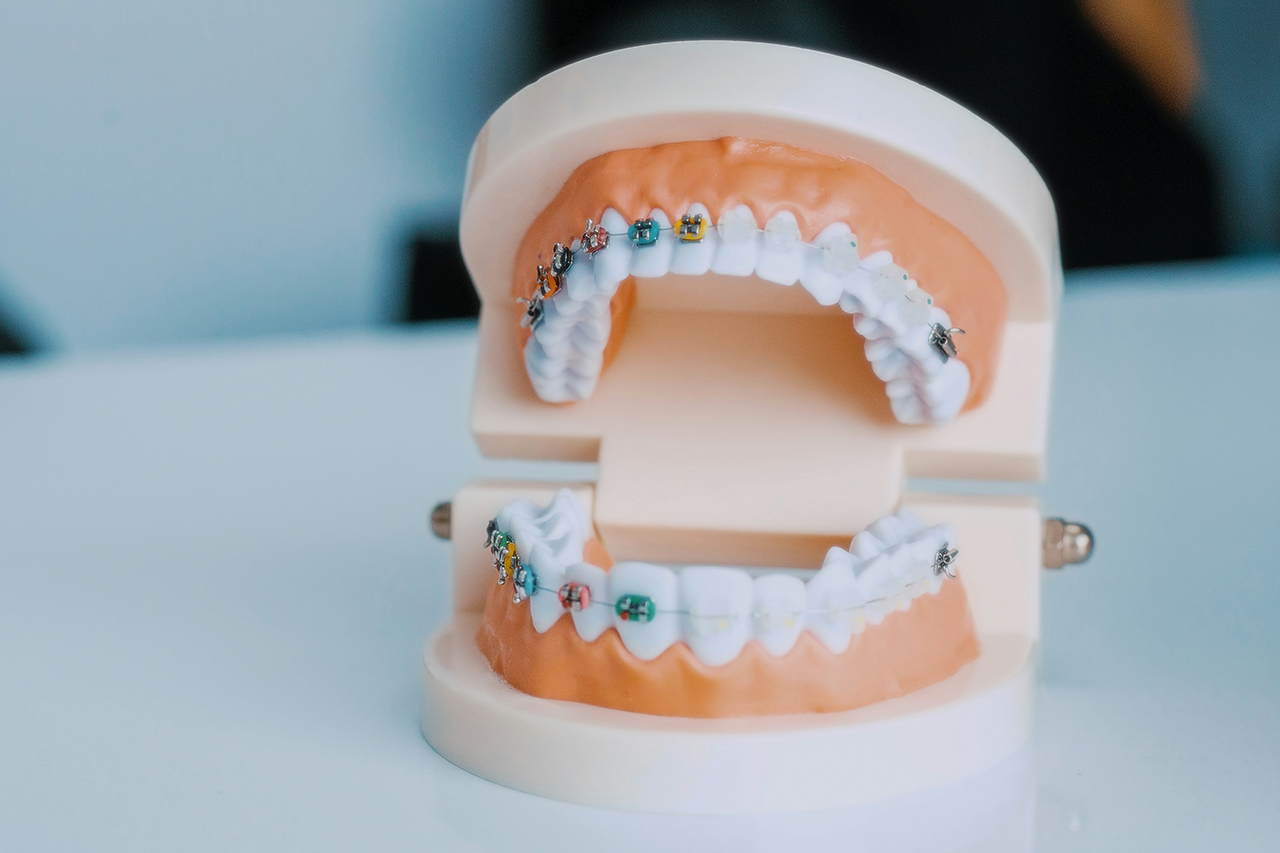
Keeping your mouth clean is very important for any orthodontic journey. Taking off the aligners makes brushing and flossing easier with Invisalign, which helps keep teeth from getting cavities while they are being treated. Patients clean their Invisalign aligners every day with mild solutions, which helps keep their teeth and gums healthy.
Traditional braces are harder to clean because food can get stuck around the brackets, which requires special tools like interdental brushes. Dentists say regular check-ups are important for monitoring your teeth and making any necessary changes for the best results. If you do both methods correctly, they will both make your teeth straighter without hurting your long-term dental health.
Cost Factors in Australia
The cost of orthodontic treatment in Australia depends on where you live and the complexity of your case. Invisalign usually costs between $4,000 and $9,000, with mild cases costing between $4,000 and $5,500 and more complicated cases costing $9,000 or more. This includes scans, aligners, and follow-up visits with an invisalign dentist.
Traditional braces are usually cheaper, with metal options costing between $5,000 and $8,000 and ceramic ones costing up to $8,500. Many private health insurance plans cover some of the costs of orthodontics, helping lower costs. In my practice, I suggest discussing payment plans to make braces or Invisalign treatments possible without straining your finances.
Who Should Get Invisalign?
Invisalign is a good choice for adults or professionals who want to straighten their teeth without drawing attention to them. Invisalign can change your smile quickly and easily if you have mild to moderate dental problems and are willing to wear aligners all the time. It's great for staying active because you can take it off to eat and play sports.
But not everyone can use this method; in some cases, traditional orthodontics may be needed for better results. If you want straight teeth, you should see a qualified invisalign dentist to make sure your aligners work with your goals.
Who Could Get More Out of Traditional Braces?
Traditional braces are better for complicated orthodontic problems because they give you more precise control than Invisalign does in some cases. They're good for people of all ages, but especially kids who might not follow through with removable options. Braces are still the best way to straighten teeth in Australia, even when they are hard to align.
Braces are often a better value than clear aligners if cost is a concern. Dentists can make them fit each person's needs, making sure they get full care.
Making Your Decision: Consult with a Professional
In the end, the choice between Invisalign and traditional braces comes down to your dental history, lifestyle, and personal preferences. As an Australian dentist, I emphasise the importance of a comprehensive exam to determine the best way to improve your smile. Orthodontists, including invisalign dentists, can give you personalised advice based on things like how long the treatment will take and what the possible outcomes are.
Both Invisalign and traditional braces can help you get a healthier, straighter smile. Invisalign is discreet and easy to use, while braces are reliable for a wide range of needs. You can make a better decision about your dental future if you understand these choices in the context of Australian dentistry. The goal is to have straight teeth that last a long time and make you feel better about yourself.